


Liberty Hill, Leander, and Cedar Park each offer a different version of the North Austin corridor experience, from newer growth patterns and larger-lot opportunities to more established retail access and commuting convenience. If you are weighing where to focus your home search, the best choice often comes down to pace of development, housing style, road access, and how much day-to-day convenience matters to you. A side-by-side look can make those tradeoffs much easier to spot before you tour homes.
Three communities, three distinct rhythms
Buyers looking northwest of Austin often end up comparing the same trio of places: Liberty Hill, Leander, and Cedar Park. They sit within reach of many of the same regional job centers, retail hubs, and recreation options, yet they feel noticeably different once you start driving the neighborhoods and tracking listings. That difference matters, because two homes with similar square footage can deliver very different daily routines depending on where they are located.
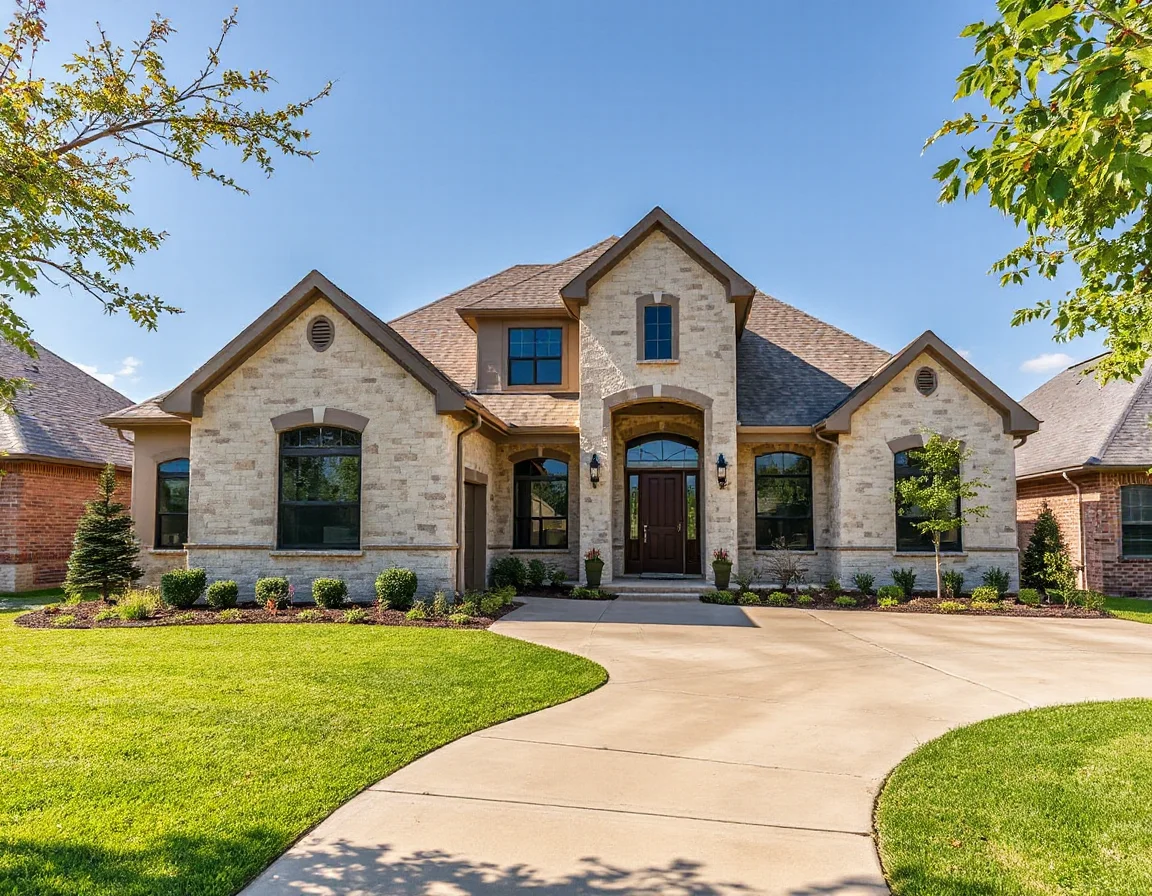
In broad terms, Cedar Park tends to feel more established, with mature retail corridors, a deeper base of existing neighborhoods, and close-in convenience for errands and entertainment. Leander often strikes a middle balance: a fast-growing city with a wide mix of housing ages, expanding commercial areas, and access points that can work well for buyers commuting in multiple directions. Liberty Hill usually appeals to those who want a little more elbow room, a newer-growth environment, or a setting that feels farther from the busiest parts of the corridor while still connected to the region.
None of that makes one city objectively better than another. It simply means your priorities should lead the search. If you want to step out and have many daily stops nearby, one place may rise to the top. If you care more about lot size, newer subdivisions, or a less built-out feel, another may fit more naturally.
A useful shortcut is to compare not just price per square foot, but also drive time to your most frequent destinations at the hours you would actually travel. In this corridor, that can change the picture quickly.
How housing stock and development patterns differ
Cedar Park generally offers a stronger inventory of established subdivisions, townhome and condo options in some pockets, and homes that place owners near long-running shopping and service areas. Tree cover, neighborhood maturity, and infill updates can be part of the appeal. Buyers who prefer a community where much of the infrastructure is already in place often find Cedar Park easier to evaluate because the surrounding pattern is more predictable block to block.
Leander covers a broad range. You can find master-planned neighborhoods with newer amenities, older sections with different lot configurations, and housing that stretches across several price points. Because of that variety, Leander can be a strong option for buyers who want flexibility. One part of the city may feel suburban and highly amenitized, while another offers a quieter edge with room for future appreciation as development continues around it.
Liberty Hill often enters the conversation when buyers want newer construction, larger parcels in some areas, or a community that still feels like it has substantial runway ahead. The tradeoff can be longer drives to certain services depending on the neighborhood, but many buyers see that as worthwhile if the home style, lot size, or setting better matches what they want. As always, the details vary by subdivision, utility setup, and proximity to major roads.
Commute patterns, road access, and daily convenience
For many buyers, geography on a map looks simple until weekday traffic enters the equation. Cedar Park often benefits from its closer-in position along the corridor, which can make frequent trips to regional employers, medical offices, and major shopping destinations feel more manageable. Leander can also work well for commuting, especially depending on where within the city you buy and whether rail access, toll routes, or flexible work schedules are part of the equation.

Liberty Hill can be a smart fit when buyers are comfortable exchanging some proximity for a different home environment. That may mean a larger yard, newer subdivision design, or a location with a less dense feel. The right choice depends on whether convenience means shaving minutes off the morning drive or having the physical space and neighborhood layout you value once you get home.
It is also worth remembering that convenience is not just about work. Grocery runs, recreation, medical appointments, youth activities, airport trips, and weekend errands all add up. A home that seems attractively priced can feel very different after you account for how often you will be in the car. Touring homes in clusters on the same day can help you compare that experience in real time instead of relying on assumptions.
When comparing two similarly priced homes, the one with easier access to your regular routes may deliver value that does not show up in the listing photos. Time is part of the equation, too.
Amenities, recreation, and what the area feels like day to day
Cedar Park has long been a hub for retail, entertainment, and established neighborhood services, so residents often have a wide menu of nearby options. Leander continues to expand in that direction, with growing commercial pockets and a community layout that can offer both newer amenity centers and access to outdoor spaces. Liberty Hill retains a more emerging feel in many areas, and that can be part of the appeal for buyers who want growth potential without the same degree of built density.
Across all three communities, the broader North Austin corridor offers access to parks, trails, sports facilities, and regional destinations. The distinction is less about whether amenities exist and more about how close they are, how established they feel, and whether you want a polished, built-out environment or one still actively evolving. Some buyers enjoy being in the middle of a mature retail network, while others prefer buying in a place where the surrounding area is still taking shape.

That same principle applies to home style. If your ideal property includes a newer floor plan, a larger homesite, or room to stretch, Liberty Hill may deserve extra attention. If you want a broad menu of neighborhoods and price points, Leander offers range. If proximity and established convenience rank highest, Cedar Park may stand out. The winning city is usually the one that matches your routine, not the one generating the most buzz.
What to watch in the market before you decide
In a corridor like this, market movement is often hyperlocal. One neighborhood may see stronger demand because of builder incentives, another because resale inventory is unusually tight, and another because road access improved or nearby services expanded. That is why broad city-level averages only tell part of the story. The more useful comparison is often neighborhood versus neighborhood, especially when you are narrowing to a specific budget and home type.
Lana Tucker-Voth’s Central Texas background across residential, ranch, lake, and commercial property types is especially valuable in areas where growth patterns matter. In communities like these, understanding future development, land use around a subdivision, and the practical differences between older and newer sections can help buyers avoid a search that looks good online but feels misaligned in person.
The best next step is simple: choose a handful of neighborhoods in each city, drive them at realistic times, and compare not only the homes but the surrounding pattern of life. Once you do that, the differences between Liberty Hill, Leander, and Cedar Park usually become much clearer—and so does the place that feels right for your next move.