
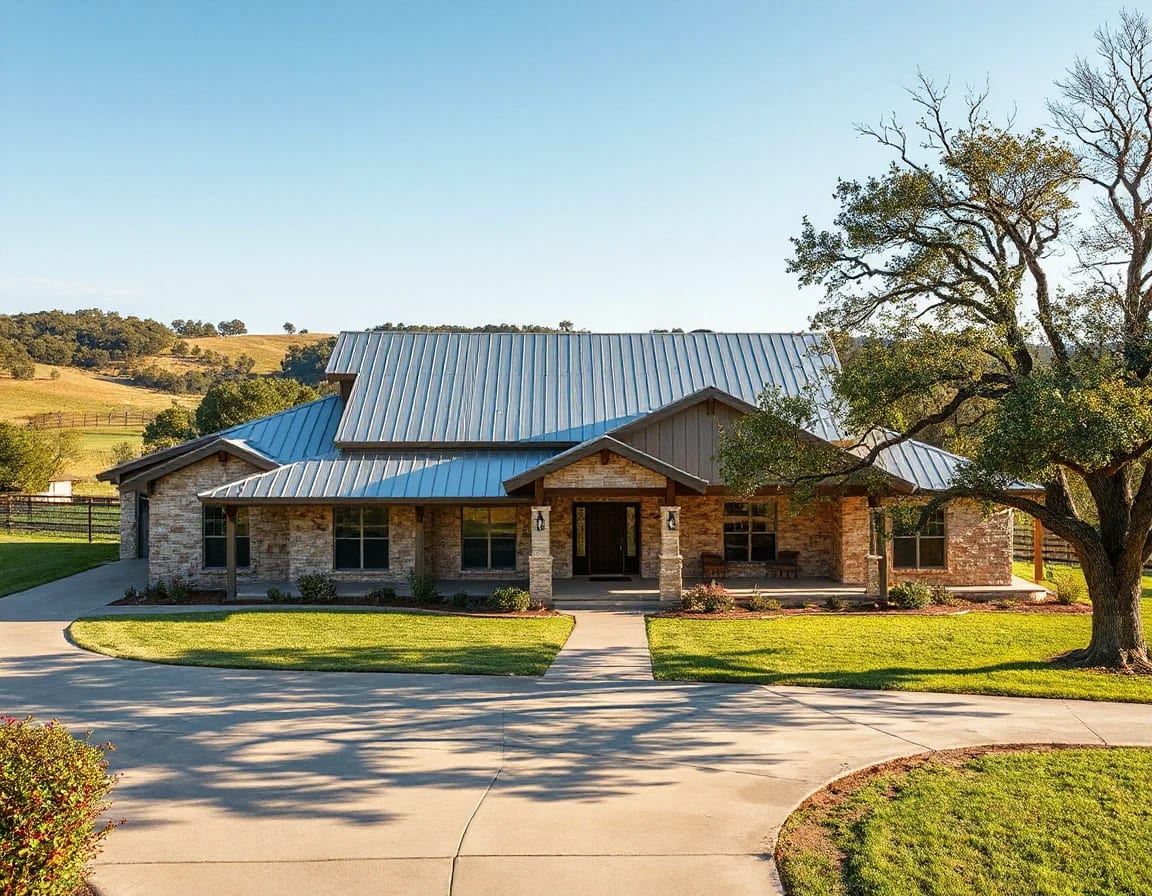
Acreage in Liberty Hill can be exciting on first glance, but the details behind the land often matter more than the view from the driveway. Before getting attached, it helps to look closely at utilities, access, restrictions, terrain, and future costs so the property works the way you expect. Asking the right questions early can save time, sharpen negotiations, and help you compare one tract to another with more confidence.
Why acreage shopping takes a different checklist
Large parcels offer possibilities that smaller lots usually do not, but they also come with a longer list of practical questions. A home on several acres may look peaceful and flexible, yet value often depends on things that are not obvious during a quick tour: where water comes from, whether the soil drains well, what can be built later, and how easy it is to access the property in all weather conditions. In Liberty Hill, where buyers may see everything from newer subdivisions with oversized homesites to more rural tracts, those differences can be significant.
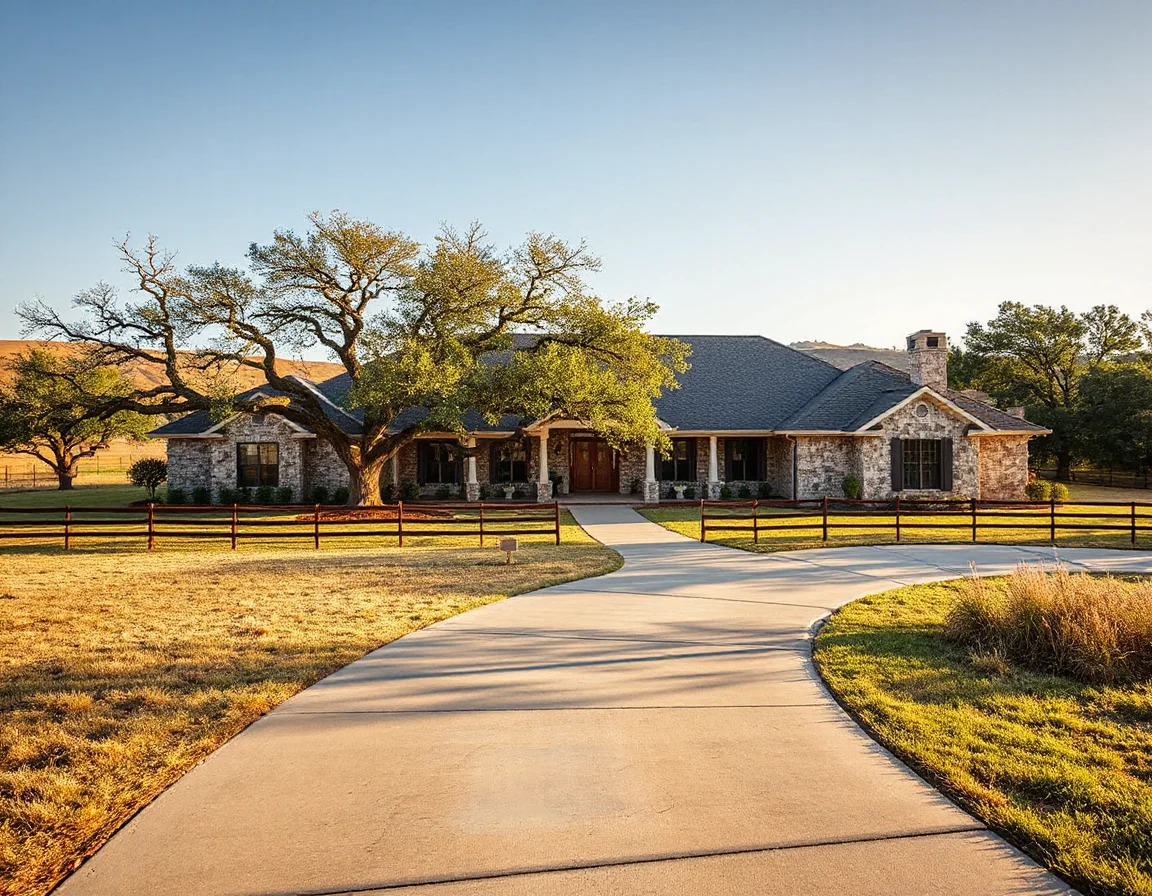
Unlike a typical in-town purchase, acreage buying often blends residential decisions with land-use questions. That is especially true in Central Texas, where one property may be move-in ready with paved access and utility connections, while another may need extensive due diligence before closing. Looking beyond the house itself is what keeps a beautiful first impression from becoming an expensive surprise.
If you are comparing homesites or rural properties in the area, it can help to think in terms of function first and emotion second. The sunset view and extra elbow room are wonderful bonuses, but the most useful question is simple: Will this property support the way I plan to use it?
On acreage, the hidden costs are often off the main structure. A lower list price can quickly look different once well work, septic updates, driveway improvements, or fencing repairs enter the picture.
1) Where do water, wastewater, and power actually come from?
The first question to ask is not just whether utilities exist, but how they are provided. Some Liberty Hill properties are served by public water, while others rely on private wells. Wastewater may be handled by a septic system rather than a municipal sewer connection, and electric service may vary depending on the parcel’s location and previous improvements. Each of these systems affects daily convenience, maintenance expectations, and future expenses.
For a well, ask about age, production, service history, and whether records are available. For septic, find out when it was installed, whether it has been pumped or inspected, and if the current system size matches the home and any planned additions. If a guest house, workshop, or barn is part of the long-term plan, utility capacity becomes even more important. Buyers are often surprised to learn that “available” and “ready to use” are not always the same thing.
It is also worth clarifying internet options early. For many buyers, reliable connectivity matters as much as water and electricity, especially if the property will support remote work, streaming, or security systems. On larger parcels, service quality can vary more than expected from one road to the next.
2) What are the boundaries, access points, and easements?
Land can feel larger or smaller in practice depending on how it is shaped and accessed. A listing may advertise a certain acreage count, but a survey is what helps confirm boundaries, encroachments, and usable layout. Ask whether a recent survey exists and whether fences align with legal lines. In rural and semi-rural areas, fences are not always exact indicators of ownership.

Access matters just as much. Is the property reached by a public road, a private road, or a shared easement? Who maintains that road, and how is maintenance handled? These are not minor details. Shared access arrangements can work well, but they should be understood before closing. If deliveries, larger vehicles, trailers, or construction equipment will be part of future use, the route in and out deserves a close look.
Easements are another key item. Utility easements, access easements, and drainage easements may affect where structures can be added later. A tract can appear wide open while still having build limitations in the most attractive part of the land. Reviewing title commitments and surveys with attention to these details can prevent misunderstandings after purchase.
Acreage value is not only about total size. Shape, frontage, and access can have just as much impact on day-to-day usability as the number of acres on paper.
3) What restrictions apply to the property?
One of the biggest assumptions buyers make is that more land automatically means more freedom. Sometimes that is true, but not always. Deed restrictions, HOA rules, county requirements, and utility limitations can all shape what is allowed. Before moving forward, ask what the current owner has done with the land and what documentation is available regarding restrictions.
Important questions include whether additional structures are permitted, whether short-term rentals are allowed, whether certain animals or agricultural uses are restricted, and whether there are architectural standards or minimum square footage requirements. Even if you do not plan immediate changes, these rules can affect resale and long-term flexibility.
It is also smart to ask about tax status. Some acreage properties may have agricultural valuation or other tax considerations that influence annual costs. If that status changes after a sale or after a shift in land use, the tax bill may change too. Understanding that before making an offer gives you a more accurate ownership picture.
4) How does the land lay, drain, and hold up seasonally?
Topography can make a property feel memorable, but it also influences maintenance and building potential. In Liberty Hill and the surrounding Hill Country corridor, terrain may include rock, slopes, drainage paths, creek areas, or low spots that behave very differently after heavy rain. A parcel that looks dry and easy to manage during a sunny showing could have runoff patterns that tell a different story during another season.
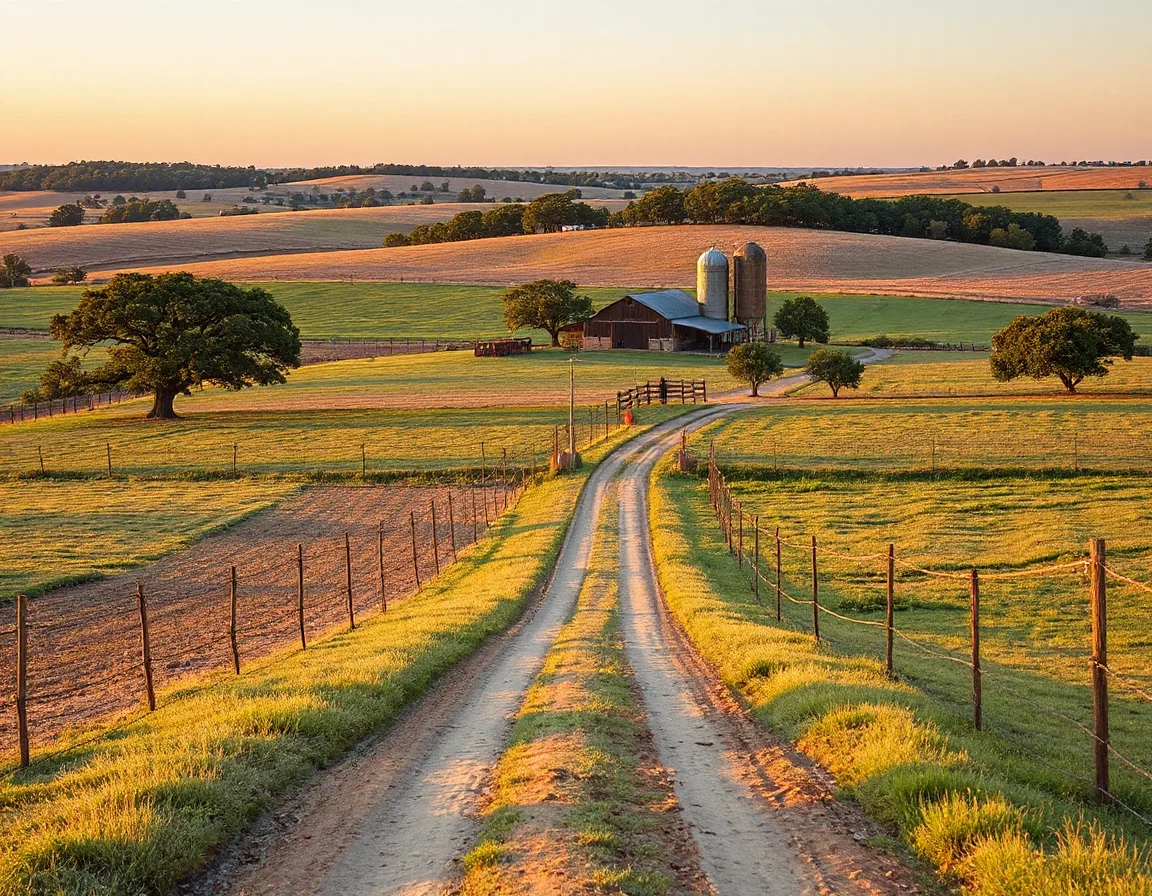
Ask about drainage, erosion, floodplain maps, and any areas that become difficult to access in wet weather. Walk as much of the property as possible rather than viewing it only from the driveway or back porch. Pay attention to tree coverage, exposed rock, and how much of the acreage is truly usable for the way you envision living on it. If there is interest in adding a pool, guest structure, barn, or detached garage later, buildable space matters more than raw land count.
Maintenance should be part of this conversation too. Open acreage may require mowing, brush management, fence upkeep, driveway grading, and ongoing exterior care that differs from a smaller lot. None of that is a reason to avoid acreage, but it is absolutely a reason to budget realistically.
5) What will ownership cost beyond the mortgage?
The final question is often the one that ties all the others together. Larger properties can come with a different insurance profile, higher utility variability, more equipment needs, and periodic land maintenance expenses that are easy to underestimate. If the home has outbuildings, water storage, gates, extensive fencing, or a long private drive, each one can add to the true cost of ownership.
Request as much operating information as possible from the seller: utility averages, septic service history, well maintenance, road or easement agreements, and property tax details. Then compare those numbers with your intended use. A tract that works beautifully as a low-maintenance retreat may feel very different if you plan regular projects, storage, or future improvements.
That is why acreage purchases benefit from a slower, more methodical approach. Liberty Hill offers compelling opportunities for buyers who want more land and a different pace, but the strongest decisions usually come from balancing vision with verification. When the questions are asked early, it becomes much easier to move forward with confidence instead of crossing your fingers after closing.
For buyers considering acreage in Central Texas, the goal is not to talk yourself out of a property you love. It is to make sure the land, improvements, and long-term costs line up with how you plan to live. When that match is right, acreage can offer space, flexibility, and a setting that feels hard to replicate on a standard lot.