


Comparing an Austin condo, a lake house, and a long-term rental is rarely about price alone. Investors usually weigh cash flow, maintenance, financing, seasonality, and exit strategy before deciding which property type fits their goals. This guide breaks down six practical ways to compare the numbers so you can evaluate opportunities with more confidence in Central Texas.
Start with income that is realistic, not optimistic
It is easy to make any investment property look attractive when projected rent is set at the high end and vacancy is treated like a minor footnote. A more useful approach is to begin with conservative assumptions. For an Austin condo, that may mean reviewing current competing inventory, HOA rules, lease restrictions, and average days on market for rentals. For a lake house, the math may depend on whether the property is intended for long-term occupancy, part-time use, or a short-term model where local rules and carrying costs can change the picture quickly. For a traditional rental home, the key is often consistency: what rent can the property support month after month after ordinary turnover?
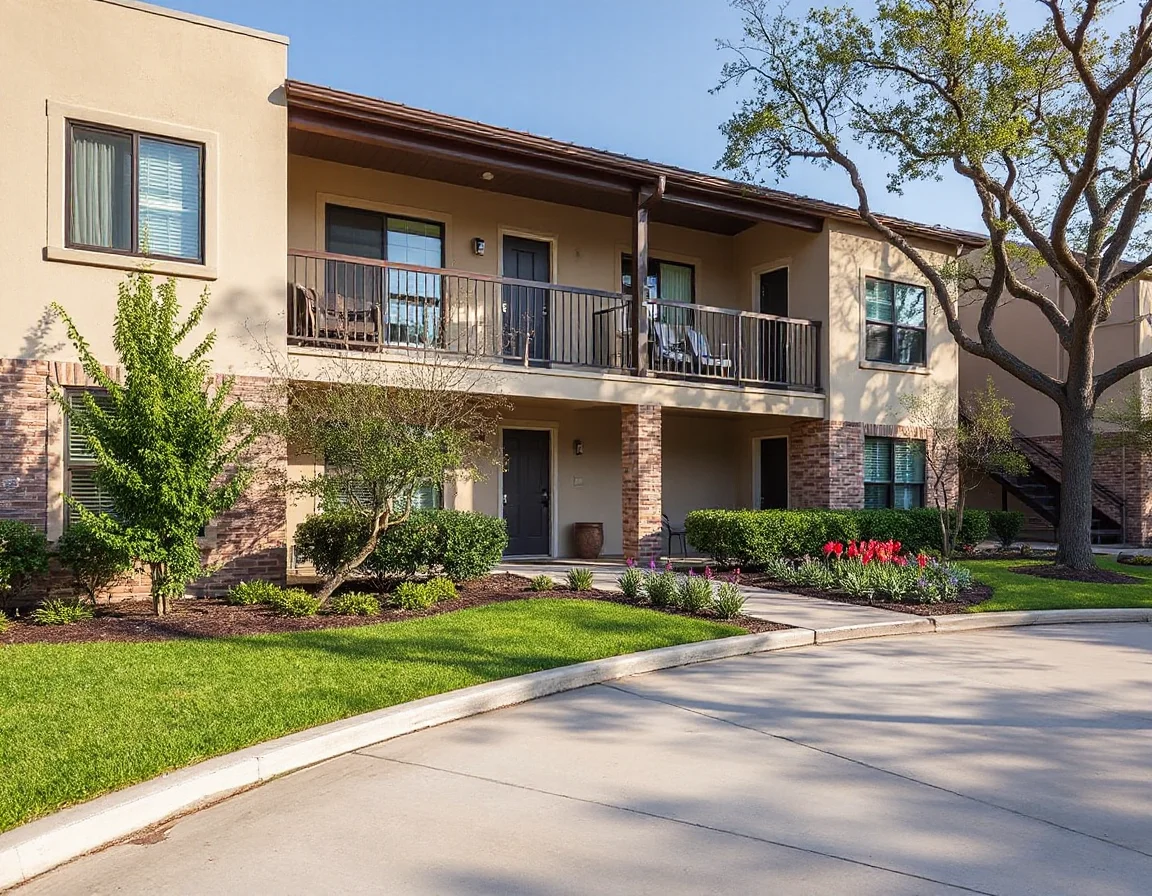
Investors often compare gross rent first, but net operating reality matters more. A condo with strong lease demand may still underperform if monthly dues are substantial. A lake property might command premium rates during peak periods, yet slower off-season occupancy and higher upkeep can narrow the gap. A single-family rental may not produce the flashiest top-line number, but if the expenses are easier to predict, the return profile can be more stable over time.
A small rent difference can be less important than a large expense difference. When two properties appear close on income, the one with fewer unpredictable costs can be easier to manage and model.
In Central Texas, the most reliable comparisons come from lining up actual rent comps, current insurance estimates, tax obligations, and realistic downtime between occupants. That discipline gives investors a cleaner side-by-side view than broad market headlines ever will.
Factor in carrying costs before you think about appreciation
Appreciation can be part of the upside, but it should not be the only reason a property works on paper. Each property type carries its own cost structure. Austin condos often include HOA dues that may cover exterior maintenance and some shared amenities, which can simplify budgeting, but those dues still count against cash flow. Lake houses may require more attention to exterior wear, specialized insurance considerations, dock or shoreline upkeep where applicable, and utility patterns that differ from an in-town property. Traditional rentals tend to be easier to benchmark, though age, condition, and location still drive repairs and reserves.
Property taxes and insurance deserve a separate line item rather than a rough estimate. In Texas, those costs can materially affect monthly performance. Investors who buy based on a mortgage payment alone can miss the true ownership picture. Reserves for repairs, leasing costs, professional management, and periodic capital improvements should also be built in from the beginning rather than treated as surprises later.
If one property type seems much more attractive at first glance, carrying costs are often where the gap narrows. That is especially true when comparing a highly amenitized condo to a detached rental, or a scenic lake property to an in-town home with lower operating complexity.
Think about financing and liquidity as part of the return
Purchase terms can shape performance just as much as rent does. Interest rate, down payment requirements, reserve requirements, and lender guidelines are not always identical across property types. Some condos may face additional financing scrutiny depending on the project. Some lake properties can involve lending considerations tied to location, use, or condition. Meanwhile, a conventional long-term rental may offer the simplest path for some investors, which can preserve both cash reserves and flexibility for future purchases.

Liquidity matters too. A property that is easier to sell or reposition can have strategic value even if its initial yield is slightly lower. Condos can appeal to buyers looking for lower-maintenance ownership, but resale may depend on building-specific factors and competition from nearby projects. Lake houses can attract strong interest in the right setting, yet the buyer pool may be narrower than for a standard residential rental. A leased single-family home can sometimes offer the broadest resale path, depending on condition, school district boundaries, and neighborhood inventory trends.
That is why experienced investors often ask a simple question: if plans change in two years, which property gives the cleanest exit? The answer can influence what looks like the best deal today.
The strongest investment is not always the highest projected return on a spreadsheet. Flexibility to refinance, sell, or convert use can be a major part of long-term performance.
Measure management time alongside the spreadsheet
Not every cost shows up as a line in accounting software. Time has value, and some property types require more attention than others. A condo may be easier to maintain from a structural standpoint, but HOA coordination, move-in rules, parking logistics, and lease limitations can affect operations. A lake house may need more active oversight, especially if the property experiences weather exposure, irregular occupancy, or more frequent vendor coordination. A standard rental home often falls in the middle: more direct maintenance responsibility than a condo, but usually fewer variables than a waterfront property.
For investors building a portfolio, operational simplicity can improve results over time. Predictable turn cycles, readily available service providers, and straightforward tenant demand can reduce friction. That does not mean a lake house or condo is the wrong choice; it means the right choice depends on whether the projected return compensates for the additional complexity.
Lana Tucker-Voth and Keller Williams Realty Lone Star bring a useful perspective here because Central Texas investing is rarely one-size-fits-all. Experience across residential, ranch, lake, and commercial properties helps investors compare not just pricing, but the day-to-day realities behind each asset type.
Compare location depth, not just location labels
Austin remains a major draw for investors because employment centers, transportation patterns, lifestyle amenities, and neighborhood-level demand can support multiple strategies. Still, “Austin” is too broad to use as an investment thesis by itself. A condo close to major employment corridors may behave very differently from one in a more saturated pocket. A lake house near established recreation areas may have different demand drivers than one in a quieter setting farther from services. A rental in Georgetown or another nearby Central Texas market may offer a different balance of price point, rent ratio, and long-term hold potential.

Looking beyond city names and into submarket data often creates better decisions. Review recent lease velocity, competing supply, renovation standards, insurance environment, commute access, and future inventory in the immediate area. Investors who drill into those details can spot whether a property is priced for today’s market or based on assumptions from a stronger cycle.
That local lens is especially important in the broader Central Texas region, where nearby communities can present meaningfully different opportunities even within a short drive. The strongest purchase is usually the one that fits both the micro-market and the investor’s timeline.
Decide what winning looks like before you buy
The final comparison is personal but still mathematical: what is the objective? Some investors want monthly cash flow. Others are willing to accept lower immediate yield for convenience, future appreciation potential, or a property type they expect to hold for many years. A condo can appeal when lower exterior maintenance and urban access matter most. A lake house may fit an investor seeking a distinctive asset with multiple use possibilities. A traditional rental may offer the cleanest long-term wealth-building model when predictable occupancy and simpler operations are the priority.
Before making an offer, define the target return, acceptable monthly carry, reserve threshold, and exit plan. Then test each property type against the same framework. When the assumptions are consistent, the right option becomes easier to spot. The goal is not to prove one category is always best. It is to identify which one performs best for your budget, risk tolerance, and timeline in today’s Central Texas market.
When investors compare Austin condos, lake homes, and rentals with disciplined numbers instead of broad assumptions, they usually reach better decisions and fewer surprises after closing. That kind of clarity can turn an interesting property into a sound investment.